
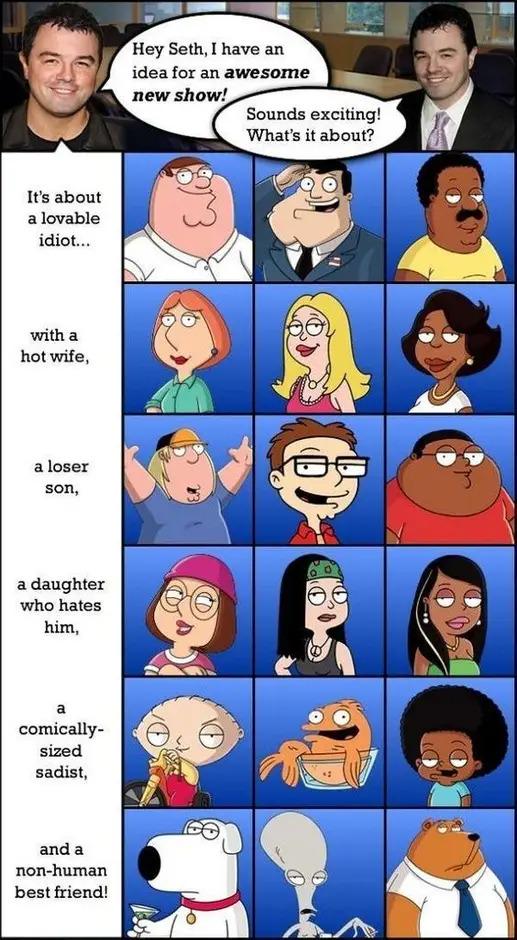
Lew Hunter in his book Screenwriting 434 writes about a studio execs response to a plot that was too different.
The audience is a like a boy in his room waiting for his father to tell him a bedtime story. The father enters, slaps his palms together and says, “Tonight, son, you're going to hear a new story. "The Emperor's New Clothes.”
The son immediately cries, “I don't want the Emperor's New Clothes. I want Peter Rabbit.
The exasperated father says, "Son, I've told Peter Rabbit at least five hundred times. I'm gonna tell you The Emperor's New Clothes.
No, Daddy, I want Peter Rabbit.
The father, not wishing to get his boy more distraught at bedtime, capitulates. "All right, son. Peter Rabbit. Peter is in the cabbage patch–”
“No, no, Daddy, Mr. MacGregor is in the cabbage patch, Peter comes down later.”
The bedtime boy is your audience. They want the comfortable. They will actually be ahead of you in many of the most effective stories. And that's all right. That's the way they want it.
What does it usually mean when the writer is trying to be too different?
- Downbeat “real” endings.
- The writer gets in the way of telling the story. That is, they use distracting techniques for telling the story that are supposed to be stylish or edgy, but really only draw attention to the technique and away from the story.
- The writer seems like he is ignoring the rules instead of breaking the rules. The reader isn't sure if the writer actually knows what they're doing, and it makes it harder to suspend disbelief.
Screenwriting 434 on Amazon.com


